
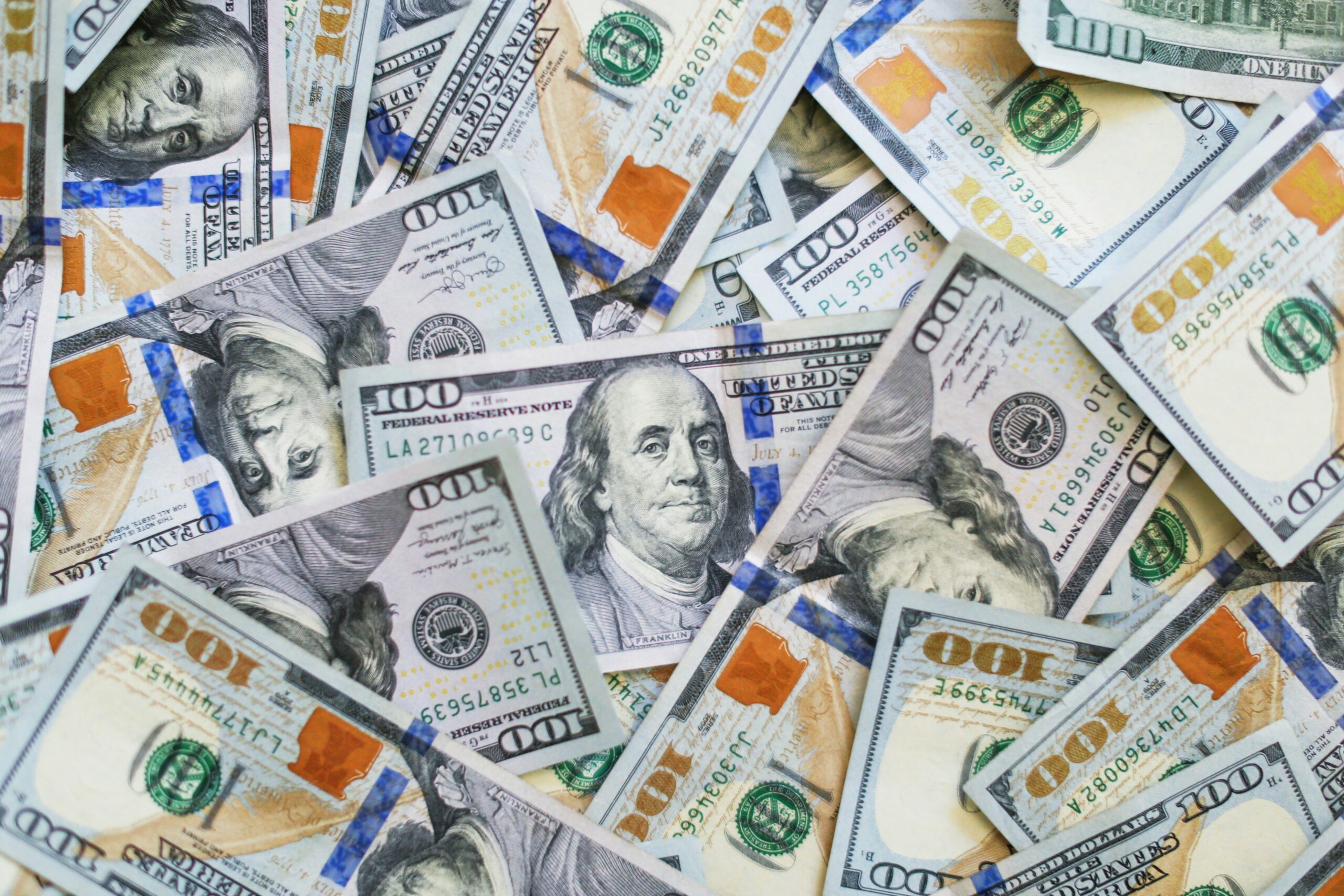
May Recap: Ceasefire Rumours and a Stubborn Fed
May was the month the Strait of Hormuz dominated every asset class, every headline, and every trading desk. The Iran war that began with Operation Epic Fury in late February entered its third month with no resolution in sight, and markets spent the better part of May swinging between risk-on optimism and risk-off reality every time a ceasefire rumour surfaced or was denied. The S&P 500 posted its ninth consecutive week of gains into the Memorial Day holiday weekend, though each rally came attached to an asterisk: one credible deal headline away from reversing.
Oil was the linchpin. WTI, which had surged above $112 earlier in the conflict, eased back toward the mid-$80s by late May as ceasefire negotiations produced tentative language about extending a 60-day truce and reopening the Strait. Markets awaited President Trump’s final approval. Iranian state media promptly dismissed reports of a deal as “incorrect,” and the whipsaw continued. As of June 1, WTI is trading near $94 after Iran suspended back-channel message exchanges with Washington, citing mixed signals from the American side. Roughly 30% of the oil price premium from before the conflict remains baked in.
Equity markets, for their part, proved remarkably resilient. Record highs on the Nasdaq and S&P 500 were printed even as April’s PCE came in at 3.8% year-over-year, the highest reading in nearly three years. Investors appeared to be looking through the energy-driven inflation spike, betting that any Strait reopening would rapidly ease price pressures. That is a bet, not a certainty.
Kevin Warsh officially took the oath as the 17th Chair of the Federal Reserve on May 22, inheriting a central bank running a 3.50%–3.75% policy rate, a divided FOMC, and an inflation problem he did not create. Jerome Powell remains on the board as a governor, providing institutional continuity. The April FOMC minutes revealed an 8-4 split, the most fractured committee since 1992. Warsh’s first test as chair arrives June 17.
Don't Waste Money With Banks.
Get Exchange Rates Up to 2% Better With KnightsbridgeFX
The USD and the Federal Reserve
The US dollar drew support from two sources throughout May: persistent inflation keeping rate-cut expectations grounded, and safe-haven demand tied to Middle East uncertainty. The greenback held its bid against most majors, with the dollar index ending the month near the top of its range as PCE data reinforced the view that the Fed has no room to ease.
Warsh’s June 16–17 FOMC meeting is the main event of the month. Markets have priced it as a near-certain hold, with CME FedWatch showing 95%–98% probability of no change at 3.50%–3.75%. But the rate decision itself is almost secondary. What traders will be dissecting is the language Warsh chooses, the composition of any dissents, and whether the easing bias embedded in the policy statement survives contact with the new chair. The previous April meeting saw three dissenters arguing the Fed should drop its forward guidance that the next move is more likely a cut. Warsh has publicly opposed the dot plot and forward guidance in principle, so markets will be watching closely to see whether that translates into action.
The June meeting also comes with a Summary of Economic Projections. That means an updated dot plot. Given Warsh’s stated scepticism of the instrument, there is a non-zero possibility it is modified or presented with caveats. Add a post-meeting press conference where Warsh will take the podium for the first time as chair, and June 17 shapes up as the most consequential Fed communication event in years.
On the data front, the week of June 1 sets the table. May nonfarm payrolls (consensus 95K, prior 115K) land Friday June 5. A miss would reinforce the hold case; a beat would add to hawkish pressure. US CPI for May hits the tape on June 10, the same morning as the Bank of Canada decision. With April CPI running at 3.8% year-over-year, another print above 3.5% would cement the view that no cuts are coming in 2026 and raise the question of whether hikes are back on the agenda. ISM Manufacturing PMI came in at 54.0 on June 1, above the 53.3 consensus, confirming that the goods sector is holding up despite elevated rates and energy-cost pressure.
The Canadian Dollar and the Bank of Canada
The Loonie has been caught between two competing forces: Canada’s crude reserves acting as a partial buffer against the oil shock, and widening CAD-USD interest rate differentials that continue to weigh on the currency. The BoC’s last move was a hold at 2.25% on April 29, but the accompanying statement broke new ground. For the first time in this cycle, the Bank explicitly acknowledged that both cuts and hikes remain on the table depending on how trade and energy risks resolve.
The June 10 decision is the central event for Canadian dollar traders this month. Market pricing going into the meeting is tilted heavily toward another hold, with bond markets assigning roughly 2%–3% probability of a 25-basis-point hike. The BoC’s April MPR assumed Brent crude prices would gradually decline from around US$90 in Q2 toward $75 by mid-2027. With WTI sitting near $94 and the Strait of Hormuz still functionally closed, those assumptions look optimistic. The Bank’s own inflation projections saw CPI peaking near 3% in April before declining to 2.5% by June. If the June 10 CPI print confirms that trajectory, a hold remains the base case. If it surprises to the upside, the BoC’s language about hikes will get considerably more attention.
USDCAD direction in June is hostage to the same variable as everything else: the Iran ceasefire. A credible deal that reopens the Strait would likely send oil lower and USDCAD higher in the near term, as the energy premium supporting the Loonie unwinds faster than the interest rate differential narrows. The oil-CAD correlation that has anchored Loonie analysis for decades will not break overnight.
Oil Prices
WTI’s trajectory in June will be determined by the same factor that controlled May: how close the US and Iran get to a deal. The ceasefire extension negotiation that dominated late May produced headlines but no signature. As of June 1, Iran has halted back-channel communications, citing mixed signals from Washington, and WTI has bounced back above $94. Even if a deal is struck, analysts caution that physical oil flows will not resume quickly. Mines need to be cleared from the Strait, shut-in fields could take months to restart, and infrastructure damaged by drone and missile strikes requires repair. The supply disruption is not a light switch.
The short-term floor for WTI remains in the $80–$85 range, supported by the ongoing closure premium. A confirmed, durable deal with a realistic reopening timeline could test that floor. Absent a deal, $90–$100 remains the operative range, with tail risk to the upside if negotiations collapse entirely.
Key June 2026 Economic Events
| Date | Event | Significance |
| Jun 2 | JOLTS Job Openings (Apr) | Demand-side labour indicator; consensus 6.870M vs prior 6.866M |
| Jun 3 | ADP Employment / ISM Services (May) | ADP consensus 116K; ISM Services consensus 53.8 — services health check ahead of payrolls |
| Jun 5 | Nonfarm Payrolls (May) | Consensus 95K vs prior 115K. Unemployment steady at 4.3% expected. Critical input for Warsh’s first FOMC. |
| Jun 10 | US CPI (May) / BoC Rate Decision | Dual event day. CPI prior 3.8% YoY. BoC holds expected at 2.25%; language on hike risk is the story. |
| Jun 11 | US PPI (May) | Prior 1.4% MoM — pipeline inflation gauge; relevant after hot CPI prints. |
| Jun 16-17 | FOMC Meeting (Warsh’s first) | Hold at 3.50–3.75% expected (97% probability). All eyes on statement language, dot plot changes, and press conference. |
| Jun 17 | Retail Sales (May) | Prior 0.5% MoM. Consumption health check; released same day as FOMC decision. |
| Jun 18 | Philadelphia Fed Mfg Index (Jun) | Prior -0.4; early read on Q2 regional manufacturing momentum. |
| Jun 19 | Juneteenth — US Holiday | US markets closed. |
Forecast Table
| Bank | 2026-USD/CAD Q3 | 2026-USD/CAD Q4 |
| Scotiabank | 1.34 | 1.33 |
| Bank of Montreal | 1.38 | 1.36 |
| CIBC | 1.36 | 1.34 |
| TD Bank | 1.37 | 1.35 |
| National Bank | 1.38 | 1.35 |
Forecast Table is for mid-market rates, and subject to change anytime.

 AUD
AUD CAD
CAD EUR
EUR GBP
GBP NZD
NZD USD
USD
