
The short answer
As of November 3rd, 2026, when a Canadian sells a US home, the buyer must withhold 15% of the gross price for the IRS under FIRPTA, or less if the buyer lives there. The rest goes to a US dollar account in your name. You convert it to Canadian dollars, then file a US return next year for any refund.
I run a currency exchange company, so I have an interest in how you convert your money. The rates and fees below are dated and sourced so you can check them yourself.
Every winter, clients call our trading floor at Knightsbridge Foreign Exchange Inc. about a US property sale that has already closed. The pattern is the same. The sale went through, the closing statement showed a number far below what they expected, and the title company asked where to send the balance. Nobody had told them about FIRPTA, and nobody had told them that the title company cannot send the money straight to us. This article answers both questions in the order they come up, with the tax side first and the money side second, because law firms and accountants usually leave out the money side.
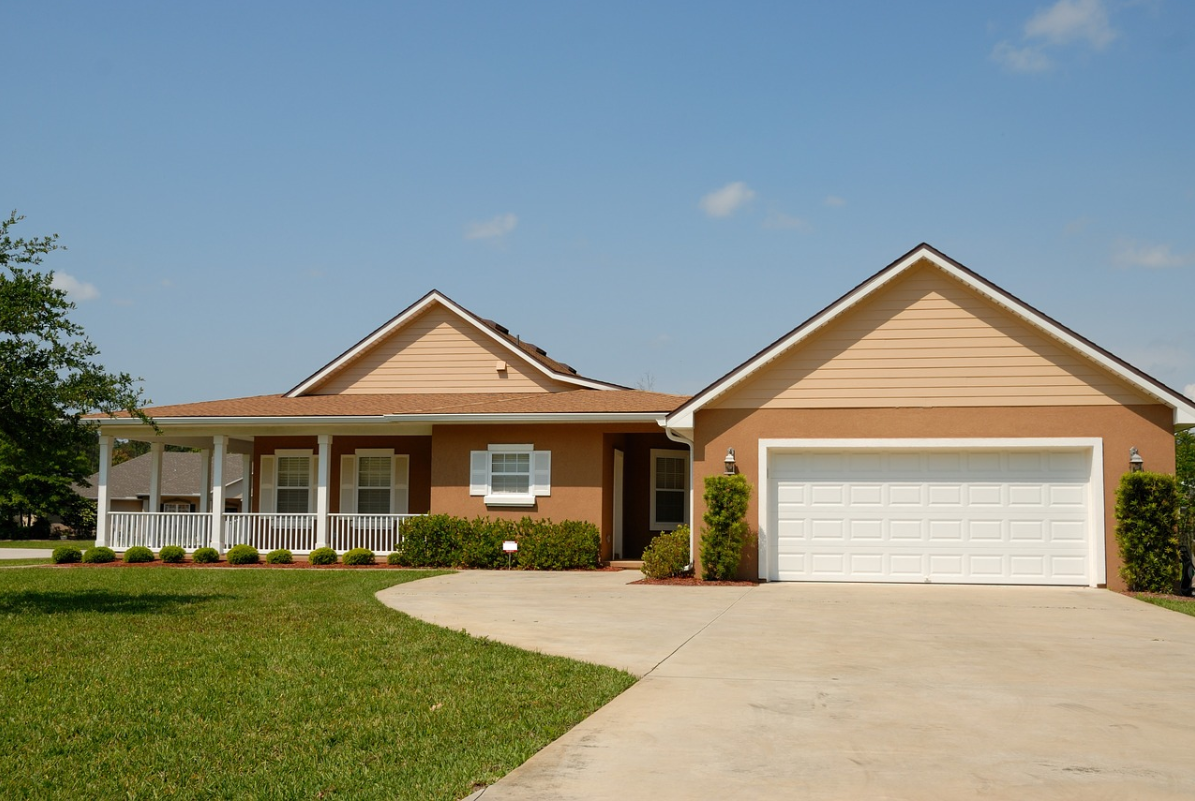
How much does the IRS hold back when a Canadian sells a US property?
The default is 15% of the gross sale price, not 15% of your profit. The buyer is the withholding agent under the Foreign Investment in Real Property Tax Act, and in practice the title or escrow company does the work for the buyer. On a US$400,000 sale, US$60,000 is held at closing and sent to the IRS with Form 8288 and Form 8288-A within 20 days of the sale.
Two exceptions lower the rate, and both depend on the buyer, not on you.
| Sale price | Buyer will use the home as a residence | Withholding rate | Status on November 3rd, 2026 |
|---|---|---|---|
| Any amount | No, or not stated | 15% of the gross price | In force |
| More than US$300,000, up to US$1,000,000 | Yes | 10% of the gross price | In force |
| US$300,000 or less | Yes | 0% | In force |
| More than US$1,000,000 | Yes | 15% of the gross price | In force |
To qualify for the reduced rates, the buyer must confirm they plan to live in the home at least half the days it is in use in each of the first two years. The buyer must also be one or more people, not a company. If a company buys your home, or an investor buys it as a rental, the full 15% applies.
If you expect your actual US tax to be well below the withholding, you can apply before closing for a withholding certificate on Form 8288-B. The IRS generally answers within 90 days of a complete application, so many sellers let the full amount go and claim it back the following year instead.
Confirm the rate that applies to your sale with a qualified cross-border accountant before you sign.
Selling a US property?
Tell us the closing date and the amount and we will show you the rate with the markup in plain sight.
Knightsbridge Foreign Exchange Inc. is registered with FINTRAC as a money services business (registration M09819788).
Don't Waste Money With Banks.
Get Exchange Rates Up to 2% Better With KnightsbridgeFX
How do I get the FIRPTA withholding back?
You file a US non-resident tax return, Form 1040-NR, for the year of the sale, with the stamped Copy B of Form 8288-A attached. The return calculates your real US tax on the gain. If 15% of the price is more than the tax on the profit, which it often is, the IRS refunds the difference.
To file that return, you need a US taxpayer number. For an individual, that is an ITIN, applied for on Form W-7. Sellers of US property use Exception 4 on the form, which lets you apply once you have a signed sales contract, with the closing statement, the contract, and a copy of Form 8288-A or 8288-B. IRS staff are told to allow seven weeks for a normal application, and nine to eleven weeks when it is filed from outside the United States or between January 15 and April 30. A Canadian applying from home should plan on the longer figure. There is one faster route: if you apply before closing for a withholding certificate on Form 8288-B and attach the W-7 to it, the IRS says it processes the ITIN request within 10 days.
One figure matters more than the rest. The US gain is worked out in US dollars from your original purchase price, so keep the closing statement from the day you bought. Without it, your cost base is harder to prove, and your refund will be smaller.
A qualified cross-border accountant can file the W-7 and the 1040-NR together.
Why does the money arrive in two stages?
Because the withholding and the refund are months apart. On closing day, you receive the sale price minus the agent’s commission, closing costs, and the FIRPTA holdback. The holdback comes back only after the IRS processes your 1040-NR, which you cannot file until the tax year ends and the ITIN is issued. For a sale that closes in November 2026, you cannot file the return until 2027, so plan for the refund to arrive in 2027, not in the weeks after closing.
That means two conversions, not one, and the exchange rate on the second one is unknown today. If the Canadian dollar strengthens over that year, the refund buys fewer Canadian dollars. You cannot lock in a personal refund in advance, so the practical answer is to treat it as a separate transfer and convert it the same careful way when it arrives.
Most sellers budget for one wire and get two. The first is the sale minus 15%. The second is the IRS refund, a year later, at whatever the rate is then.
Rahim Madhavji, President, Knightsbridge Foreign Exchange Inc.
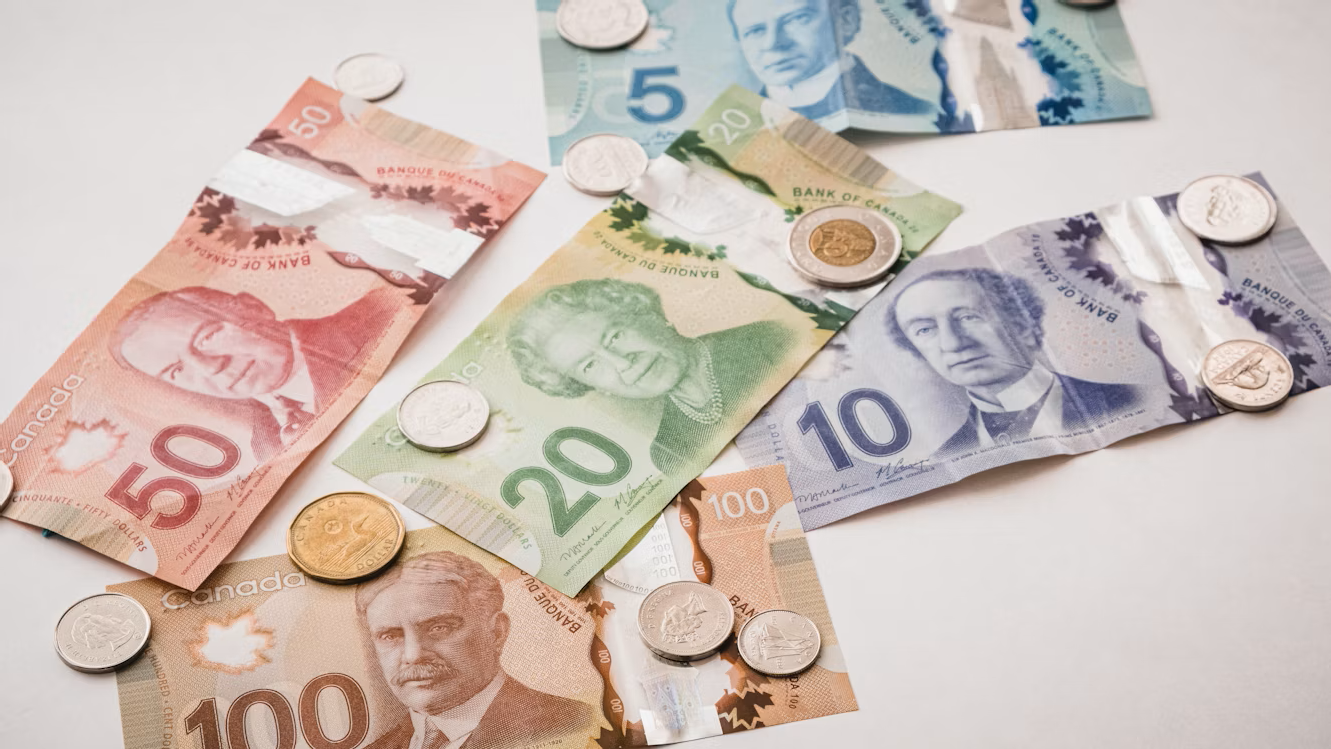
Where should the title company send the money?
To a US dollar bank account in your own name. Not to us, not to a lawyer in Canada, and not to a relative. Our terms require every client to act as principal for their own account, and we do not accept funds from third parties. A title company or escrow agent is a third party, so we cannot accept a wire from them.
The account can be at a US bank, or it can be a US dollar account at a Canadian bank. Many clients already have one from their snowbird years. If you do not, open one before closing, because opening an account after the sale adds days to an already slow process.
The flow that works is simple. The title company wires the net proceeds to your USD account. You book a rate with KnightsbridgeFX for the amount you want to convert. You send the US dollars from your USD account to KnightsbridgeFX. KnightsbridgeFX pays the Canadian dollars into your Canadian account. If you are on the other side of the deal, our guide to currency exchange for a US property purchase covers the same steps in reverse.
If a US lawyer or estate holds your proceeds, ask a qualified cross-border accountant how to document the ownership chain.
Should I convert at a US bank, a Canadian bank or a currency exchange company?
Compare the three on one number: how far the rate you are offered sits from the mid-market rate at the same time. Every bank and every exchange company publishes or quotes its own rate, and the gap between that rate and the mid-market rate is the real cost of the conversion. The transfer fee, if there is one, is the small number.
A US bank will quote its own rate and may charge an international wire fee; ask for both in writing. A Canadian bank converting from your USD account to your CAD account quotes its posted rate; you can read it on the bank’s own exchange rate page the same morning. At KnightsbridgeFX, the markup above the mid-market rate is between 0.1% and 0.8%, depending on the amount (checked November 3rd, 2026), and outgoing wires are free. On a sale, the amount is large, so the markup is at the low end of that range.
To check any of the three, ask for the rate on a stated amount, write down the mid-market rate for the same minute, and work out the difference. You can see what US$400,000 converts to in Canadian dollars today, and our dated comparison of KnightsbridgeFX and the major Canadian banks calculates each bank’s rate with the date each rate was checked. For a worked example on a larger amount, see what it costs to move $500,000 from the US to Canada.
Rates move during the day. Compare all three quotes within the same hour.
How long does the money take to reach my Canadian account?
Count three legs. The title company’s wire to your USD account arrives on the timing the title company gives you, so ask for it in writing before closing. Your wire from a US bank to KnightsbridgeFX and the payment back to your Canadian account take one to two business days, and same-day wires are possible. If your US dollars sit in a USD account at a Canadian bank, an account-to-account transfer within Canada takes four to five business days. Our page on sending money between Canada and the US explains each transfer route.
The slow leg is never the exchange. It is the IRS refund, which is measured in months, and the ITIN, which takes seven to eleven weeks. Start both before closing if you can.

What does the CRA need to know about the sale?
You report the sale on your Canadian return for the year it closes, as a capital gain or loss, in Canadian dollars. Convert the purchase price at the Bank of Canada rate on the day you bought, and the sale price at the rate on the day you sold. That is why the exchange rate matters twice: once in the sale and once in the tax calculation. A property bought when the Canadian dollar was strong and sold when it was weak can show a Canadian gain even if the US price never moved. If you also hold US dollars after the sale, read how foreign exchange gains are taxed in Canada.
The exception is the principal residence exemption. A home outside Canada can be designated as your principal residence for the years you or your family ordinarily lived in it. Only one property per family can be designated for any year, so using it here may mean giving up the exemption on your Canadian home for those years.
Half of the gain is taxable. You can claim the US tax you paid as a federal foreign tax credit on Form T2209, with the provincial portion on Form T2036, so the same gain is not taxed twice under the Canada-US tax treaty. The CRA will ask for proof of the US tax actually paid, which is the final figure after your refund, not the 15% that was withheld.
Have a qualified cross-border accountant prepare both returns from the same set of documents.
What should you do now?
- Before you list, find the closing statement from the day you bought. It sets your cost base in both countries.
- Ask your agent to tell the buyer about the lower rate for buyers who will live in the home. If the buyer will live there, withholding can drop to 10% or 0%.
- Open a US dollar account in your name, if you do not have one, at a US bank or your Canadian bank.
- Apply for your ITIN on Form W-7 under Exception 4 as soon as you have a signed contract.
- Give the title company your USD account details for the net proceeds, and keep the stamped Form 8288-A when it arrives.
- When the proceeds land, get a quote for the full amount from your bank and a currency exchange company, and compare each with the mid-market rate. KnightsbridgeFX will quote you a rate on the amount and the date you give us, with the markup shown.
- Next year, file Form 1040-NR for the refund and your Canadian T1 with the foreign tax credit, then convert the refund the same way when it arrives.
Closing on a US sale this season?
Tell us the amount and the closing date, and we will show you the rate for that day with the markup in plain sight, no obligation. Open an account before closing so the conversion is ready when the wire lands. Toll-free 1-877-355-5239.
Knightsbridge Foreign Exchange Inc. is registered with FINTRAC as a money services business (registration M09819788), licensed as a money services business by Revenu Québec (licence 12115), and registered with the Bank of Canada under the Retail Payment Activities Act.
This article is general information for Canadian residents selling US real estate and is not tax, legal, or financial advice. US and Canadian tax rules change, and every sale is different; we checked the figures above on November 3rd, 2026 against the IRS, the CRA, and our own published terms. Confirm your own position with a qualified cross-border accountant, and confirm current pricing with our trading floor.

 AUD
 CAD
 EUR
 GBP
 NZD
 USD

